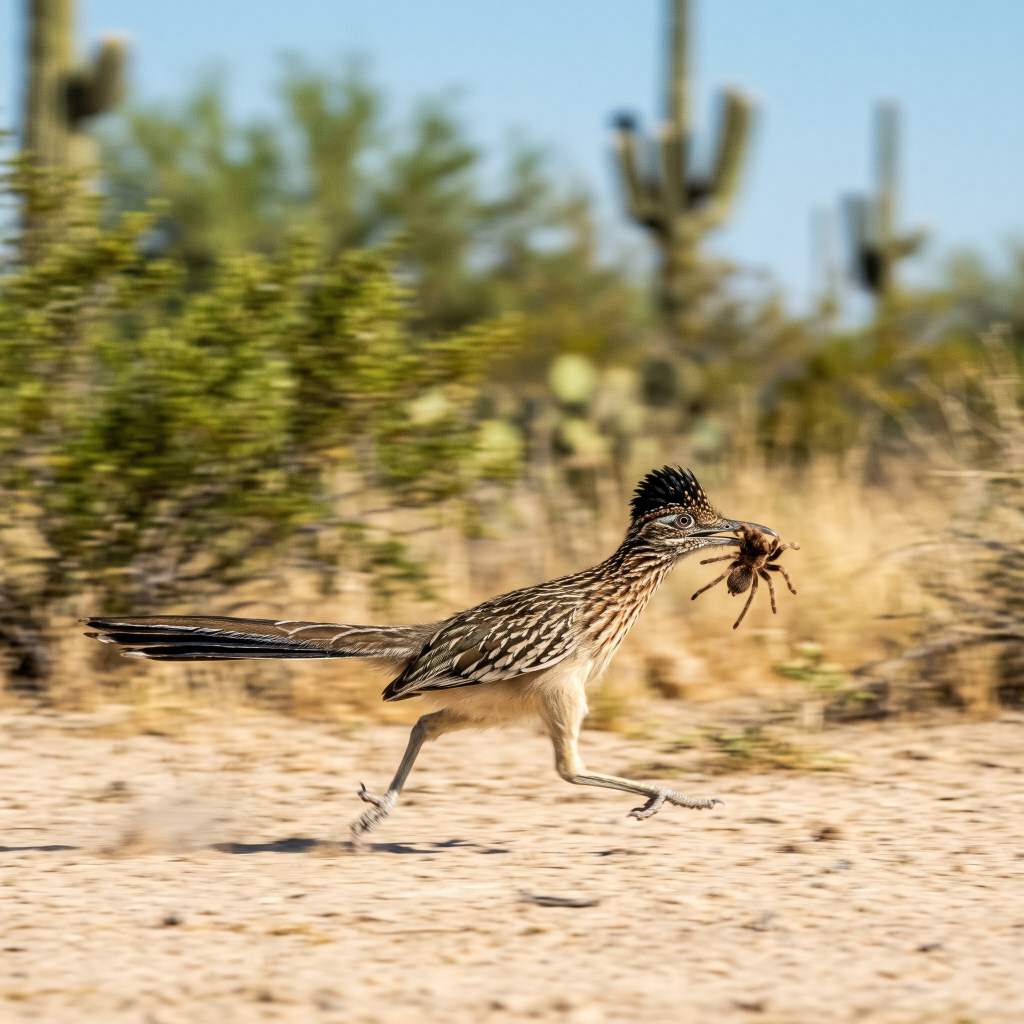
Greater Roadrunner Feeds Its Chicks a Paralyzed Tarantula
Greater roadrunners eat tarantulas, scorpions, centipedes and black widow spiders, and biologists have found no sign that venomous prey does them any…
Diet, foraging, scavenging or food caching.
15 stories · Filter these stories
Greater roadrunners eat tarantulas, scorpions, centipedes and black widow spiders, and biologists have found no sign that venomous prey does them any…
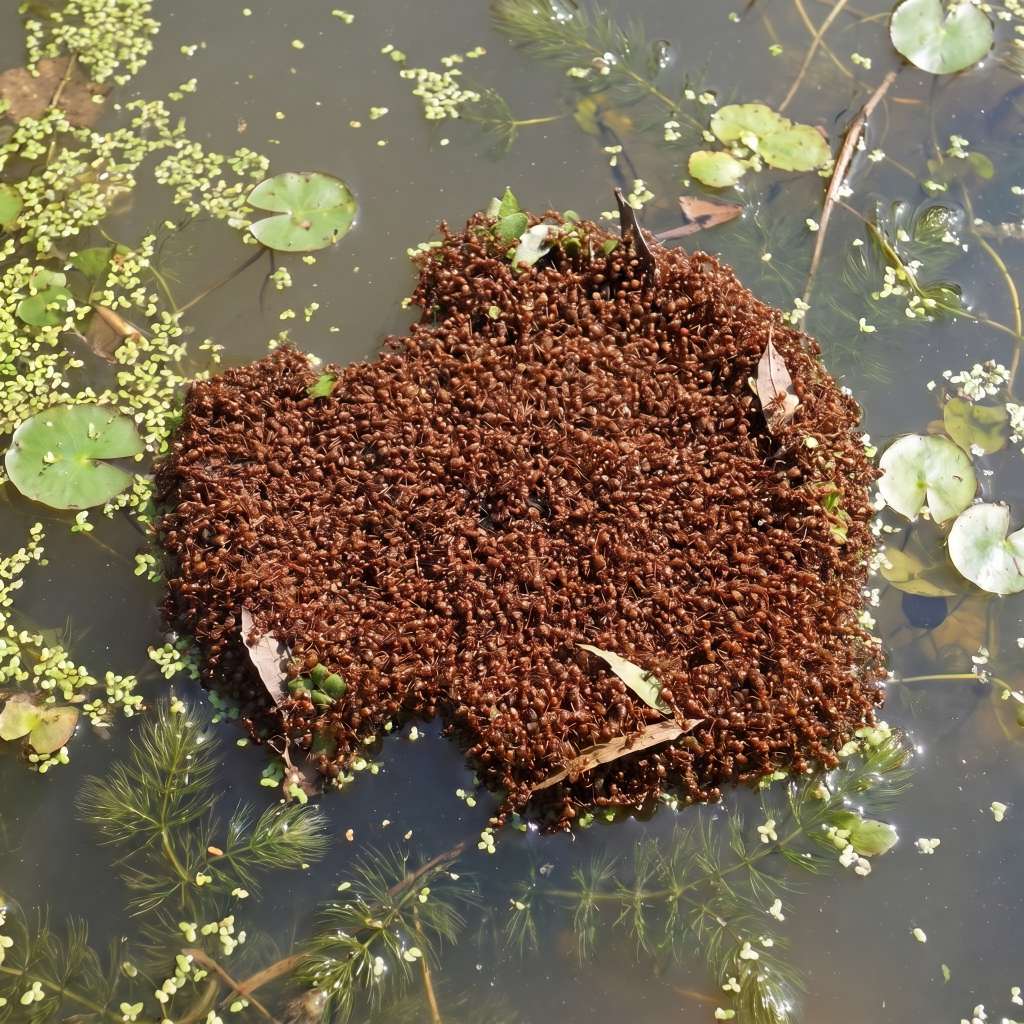
Scientists gave a colony of fire ants a cup of sugar water spiked to make them drown. The ants didn't go in….
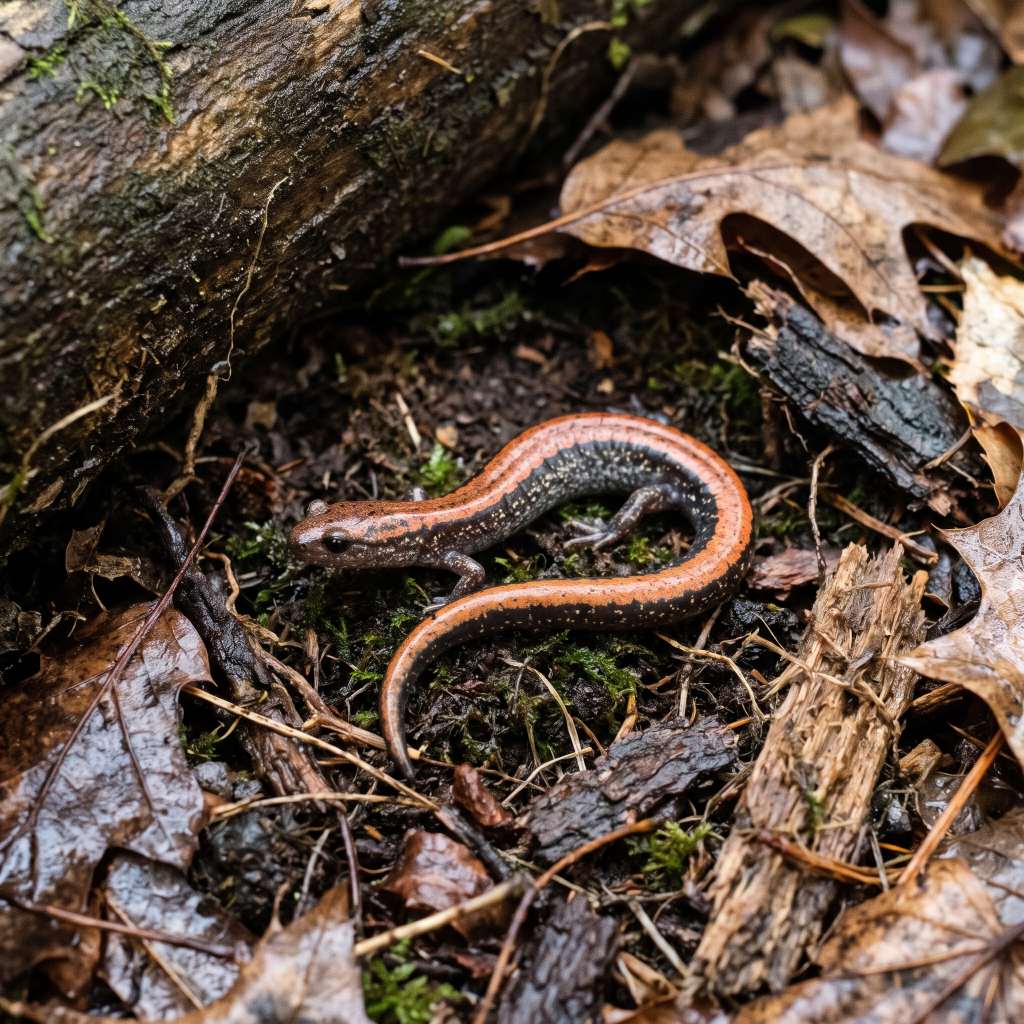
A forest patch the size of a football field in the northeastern U.S. holds about 5,300 salamanders. Almost nobody ever sees them,…
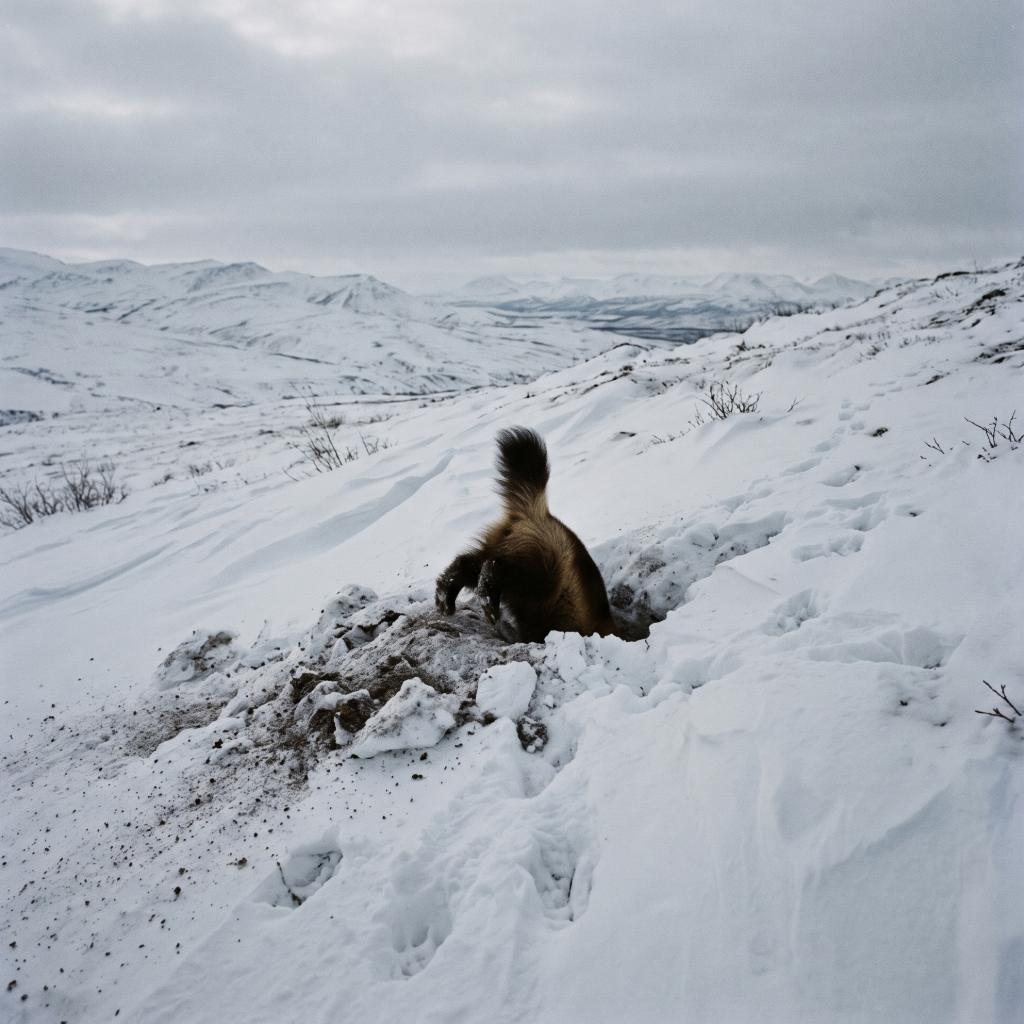
In Arctic Alaska, wildlife biologist Audrey Magoun once came across an adult male wolverine with nothing but its rear end sticking out…
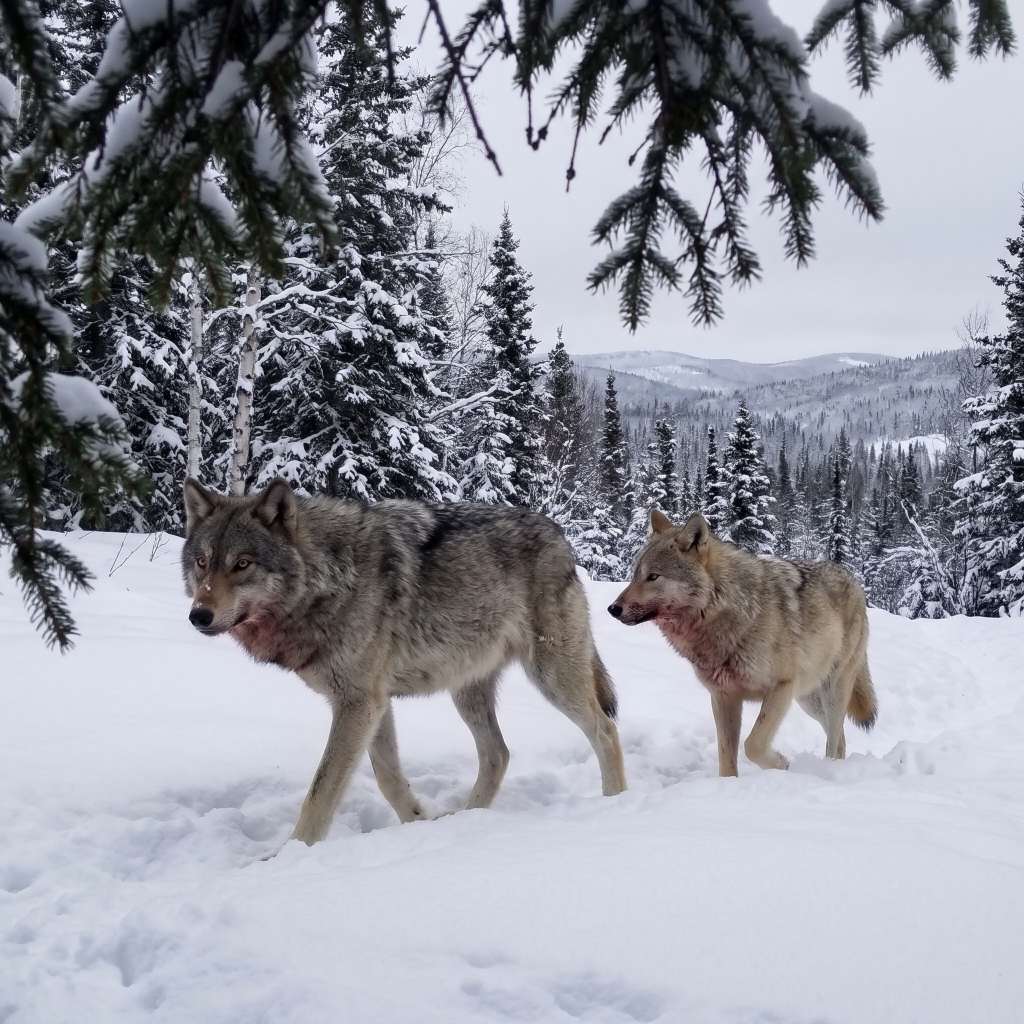
When a wildlife biologist hears someone claim they weighed a 175-pound wolf, the first question is rarely where the animal was caught….
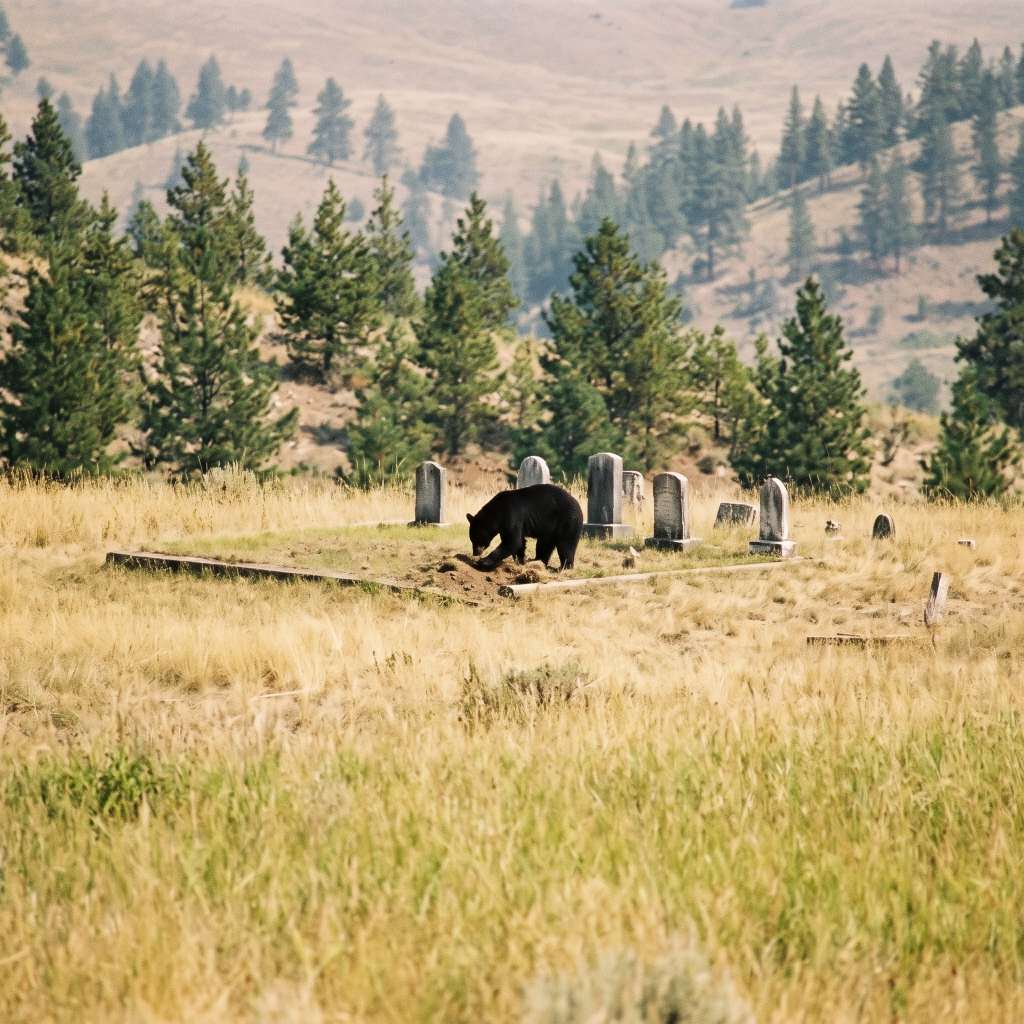
On August 20, 2002, Yellowstone’s Bear Management Office got a call about the old cemetery at Mammoth Hot Springs. A black bear…
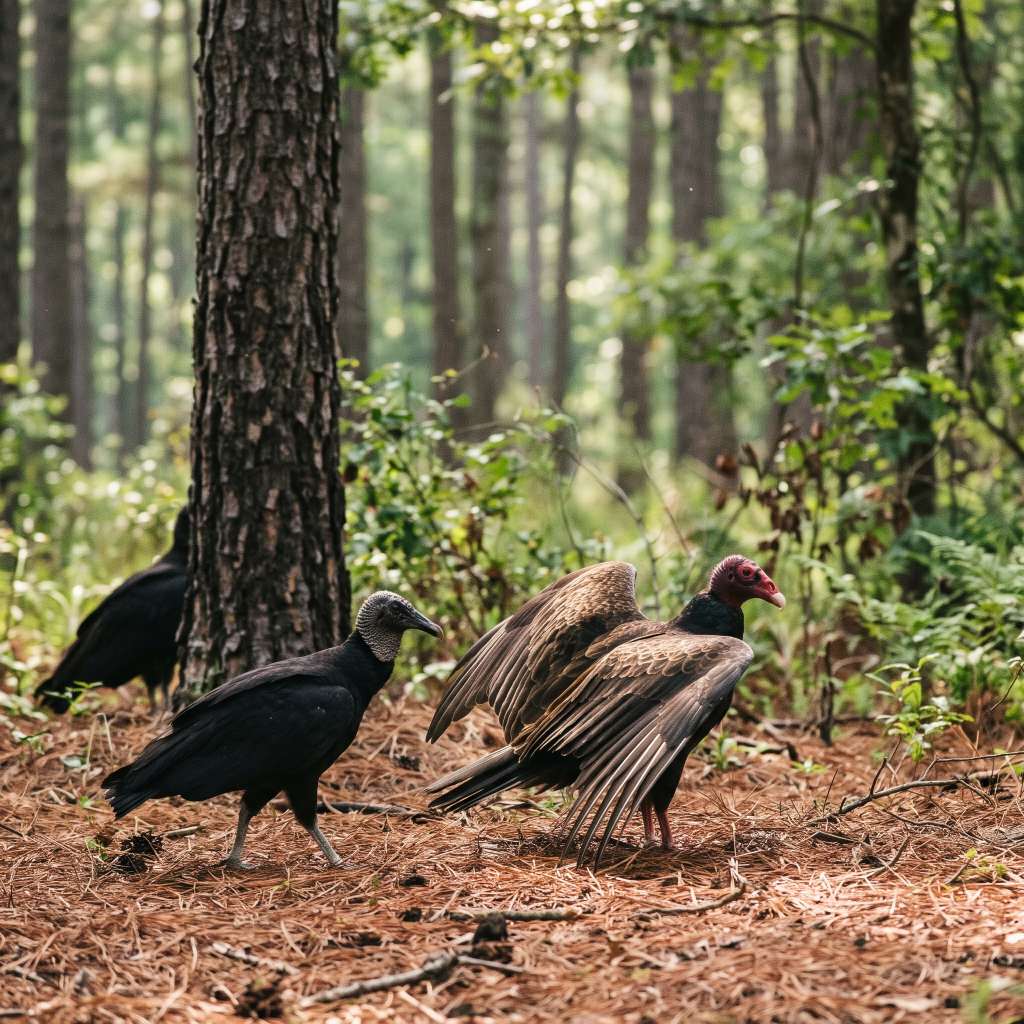
Three tons of dead feral pigs dumped intentionally across the floor of a Mississippi forest disappeared in just five days during the…
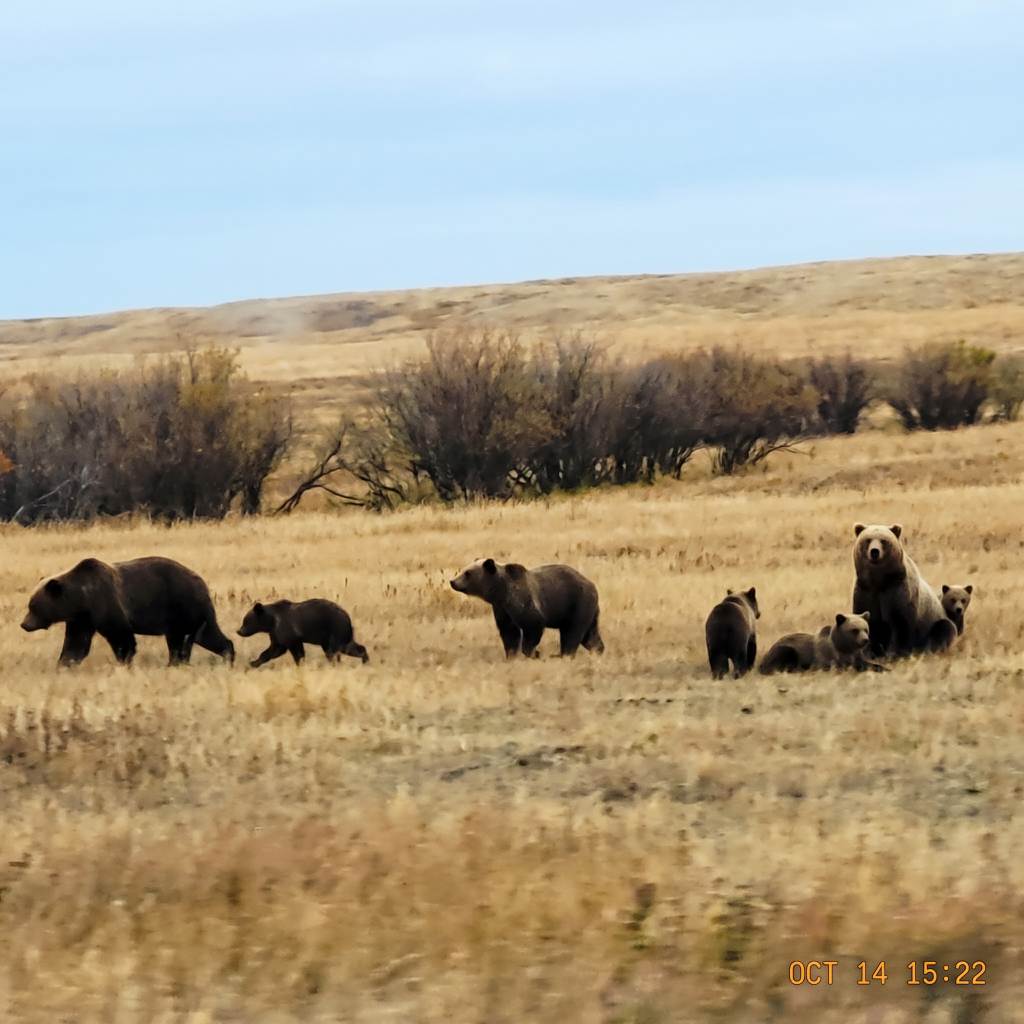
Seven grizzly bears were filmed walking across an open farm field just south of the Pendroy turnoff in Teton County, Montana, on…
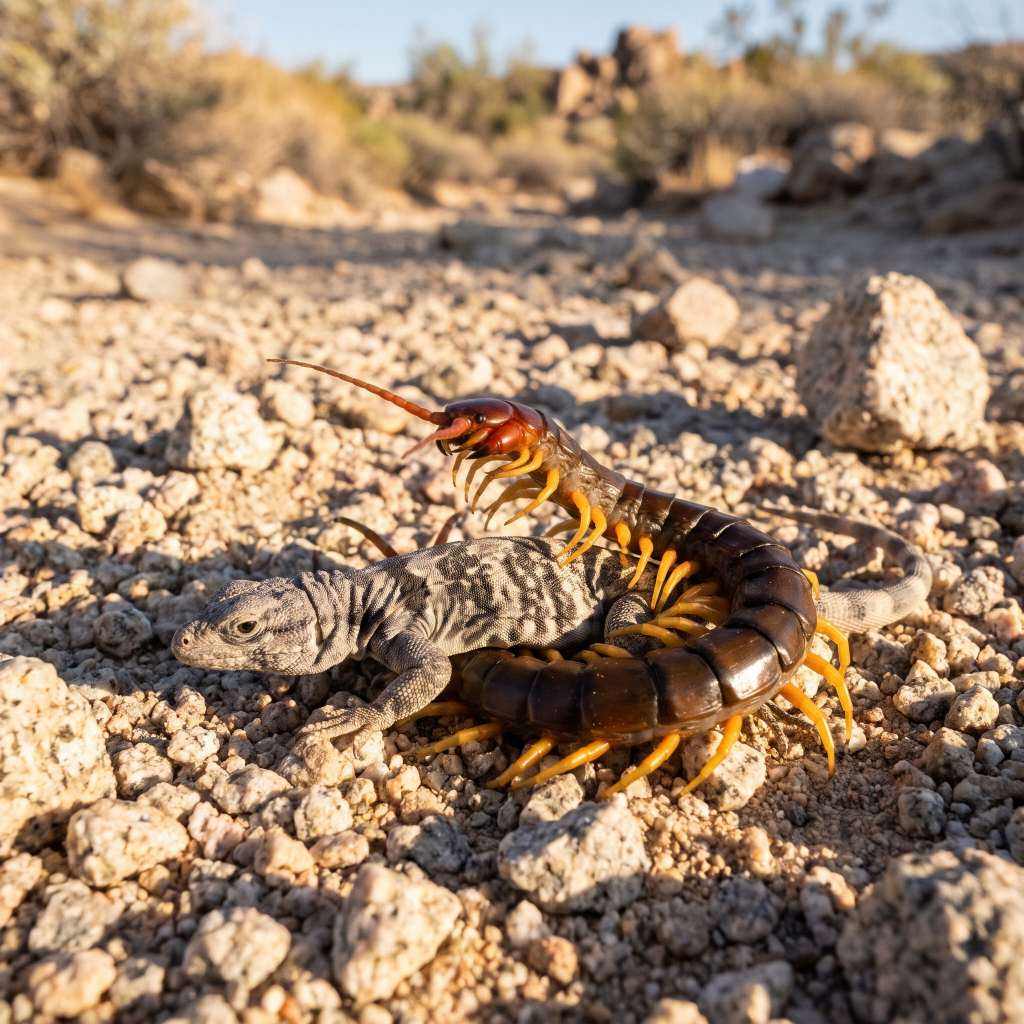
In September 2022, a team of field observers walked up on a predator-prey interaction that flips the usual desert food chain upside…
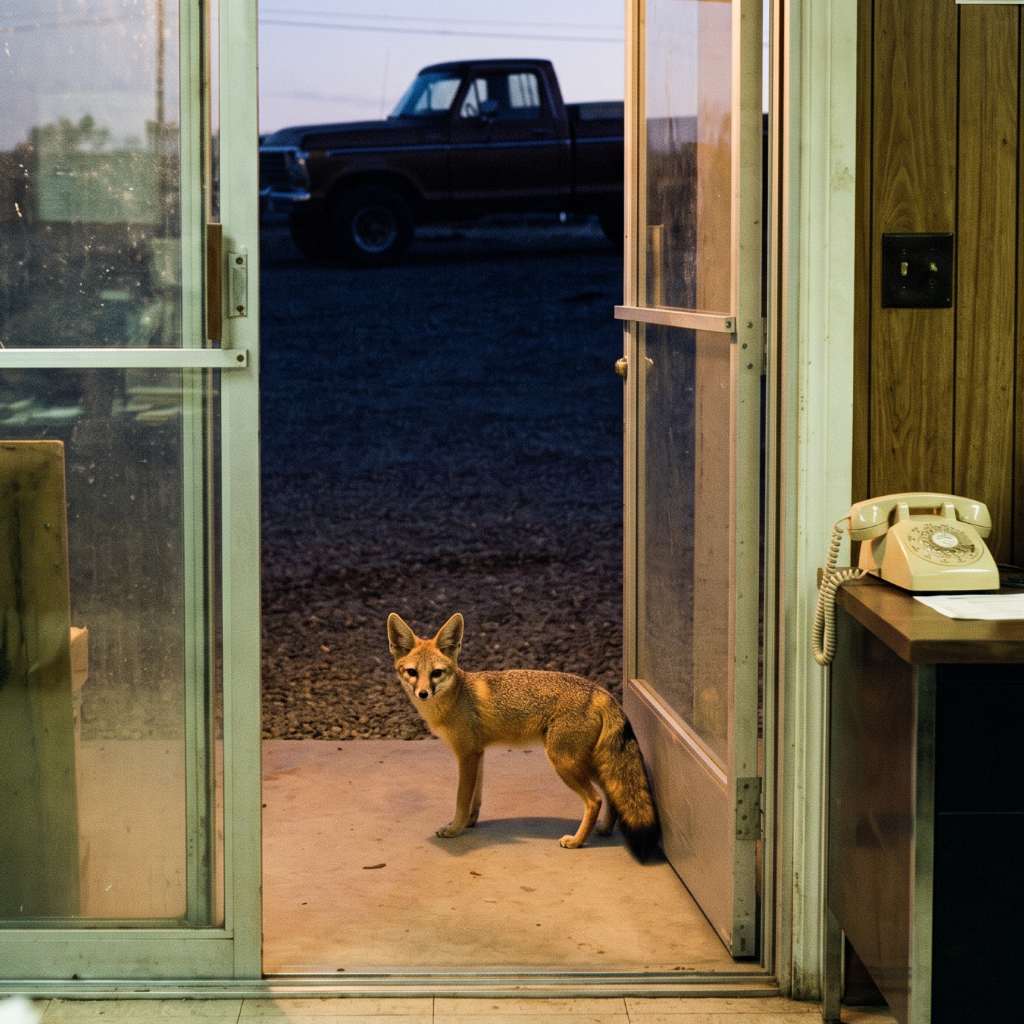
In the 1980s, California State University, Bakersfield biologist Ted Murphy began tracking a strange twist in California wildlife conservation. Listed as a…