A 1976 Skull Revealed Mexico’s Last Known Grizzly Bear
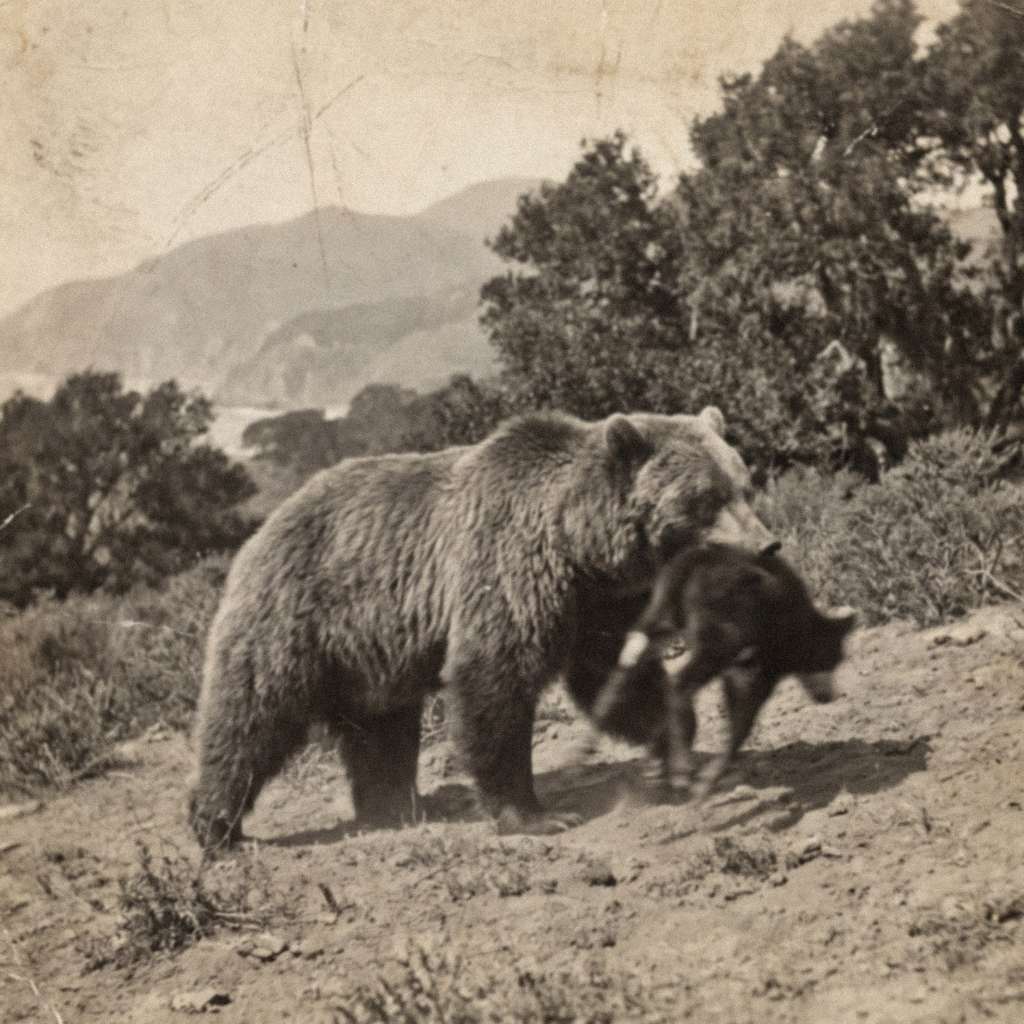
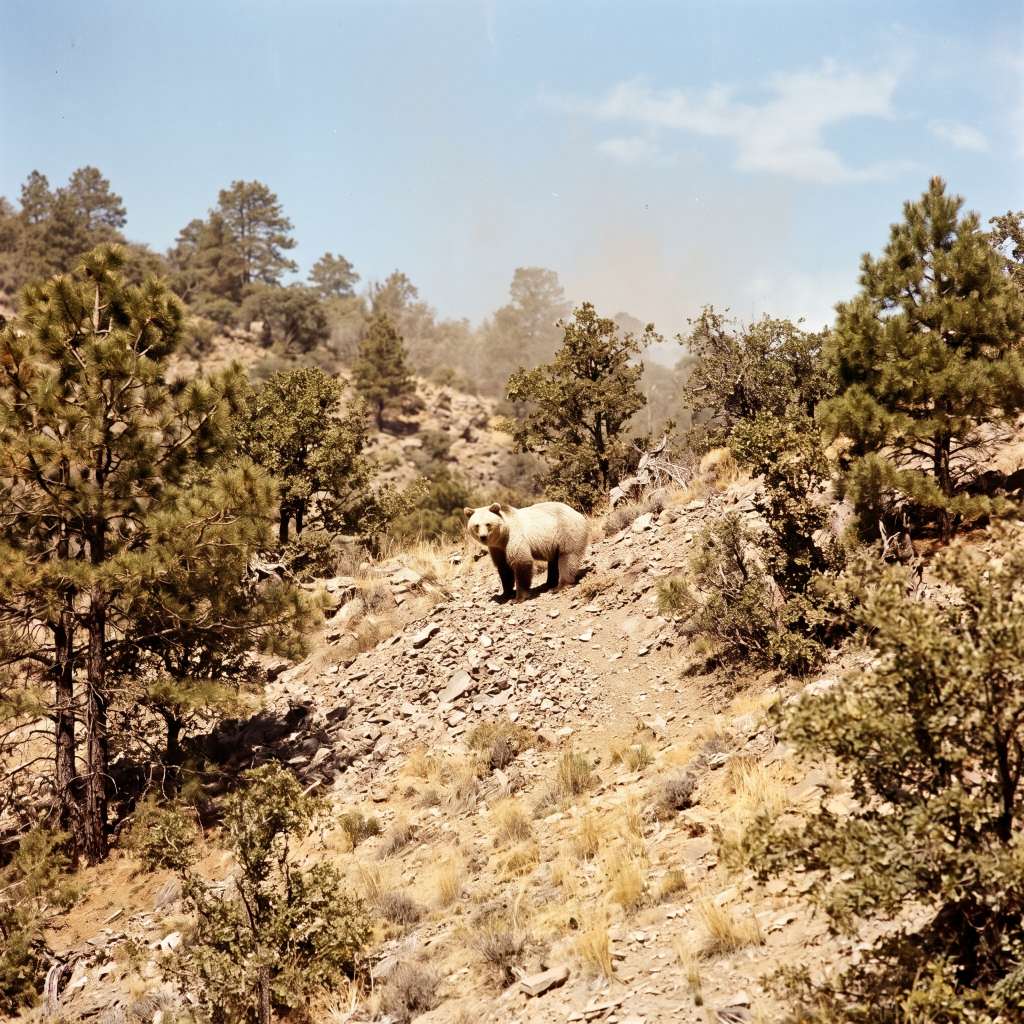
In May 2005, a rancher in Sonora, Mexico, handed biologists a bear skull that had been sitting in storage at Rancho Los…
9 stories · Filter these stories
In May 2005, a rancher in Sonora, Mexico, handed biologists a bear skull that had been sitting in storage at Rancho Los…
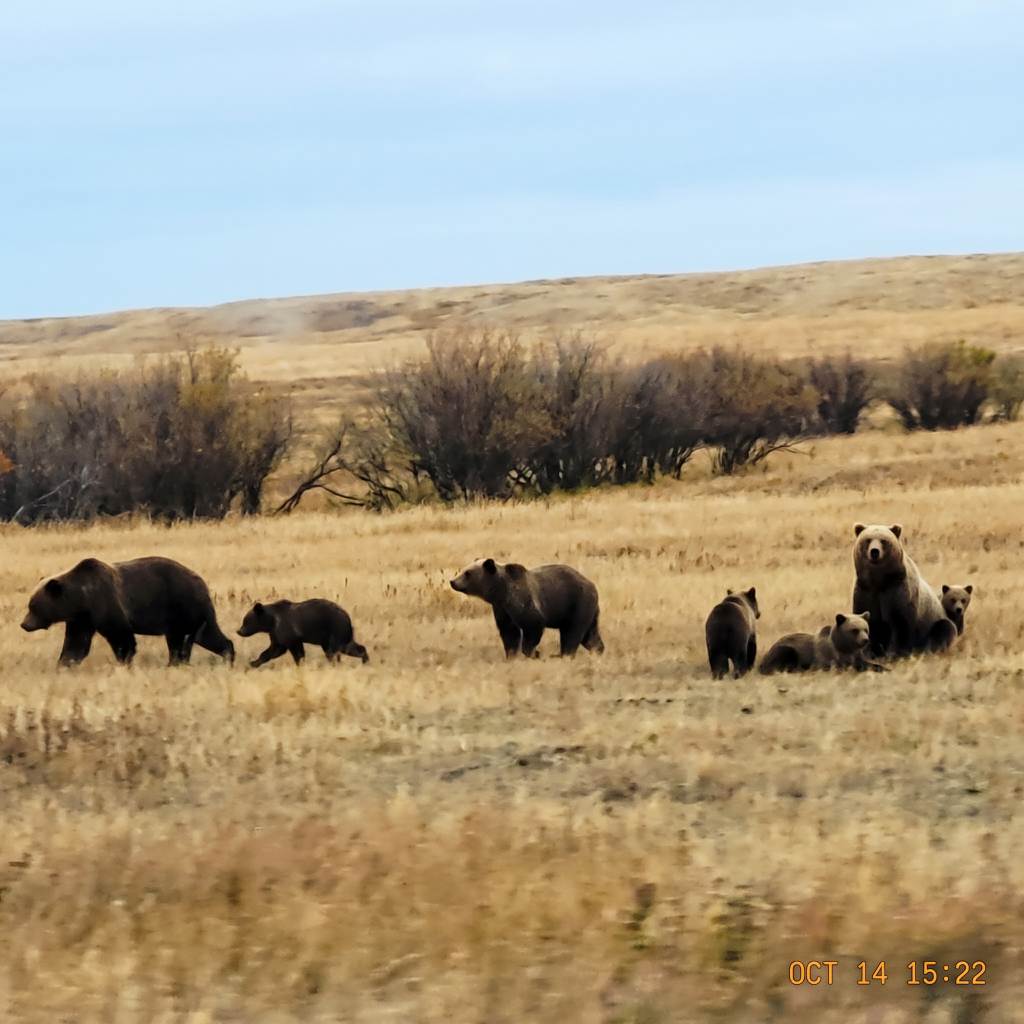
Seven grizzly bears were filmed walking across an open farm field just south of the Pendroy turnoff in Teton County, Montana, on…
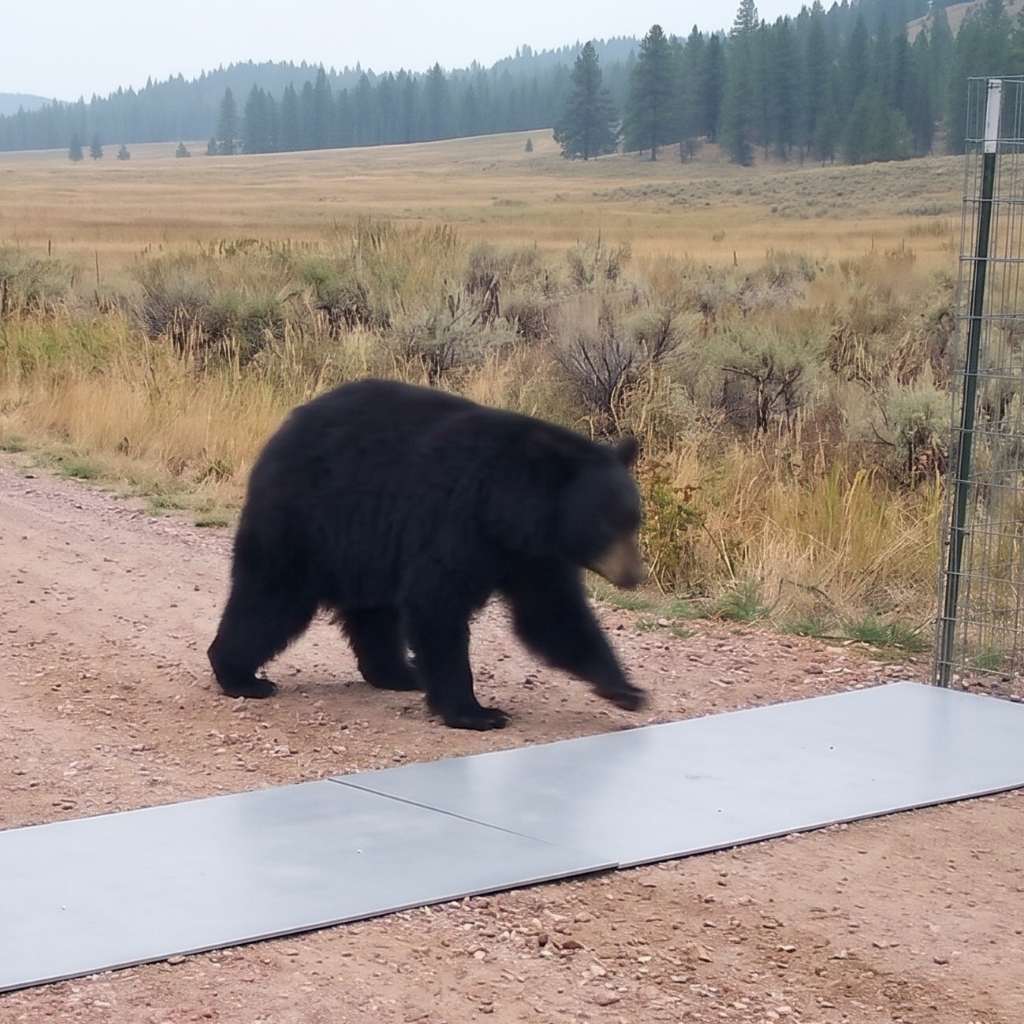
When ordinary steel road grates failed to keep black bears off U.S. Highway 93 in Montana, crews bolted solar-powered, drive-over electrified mats…
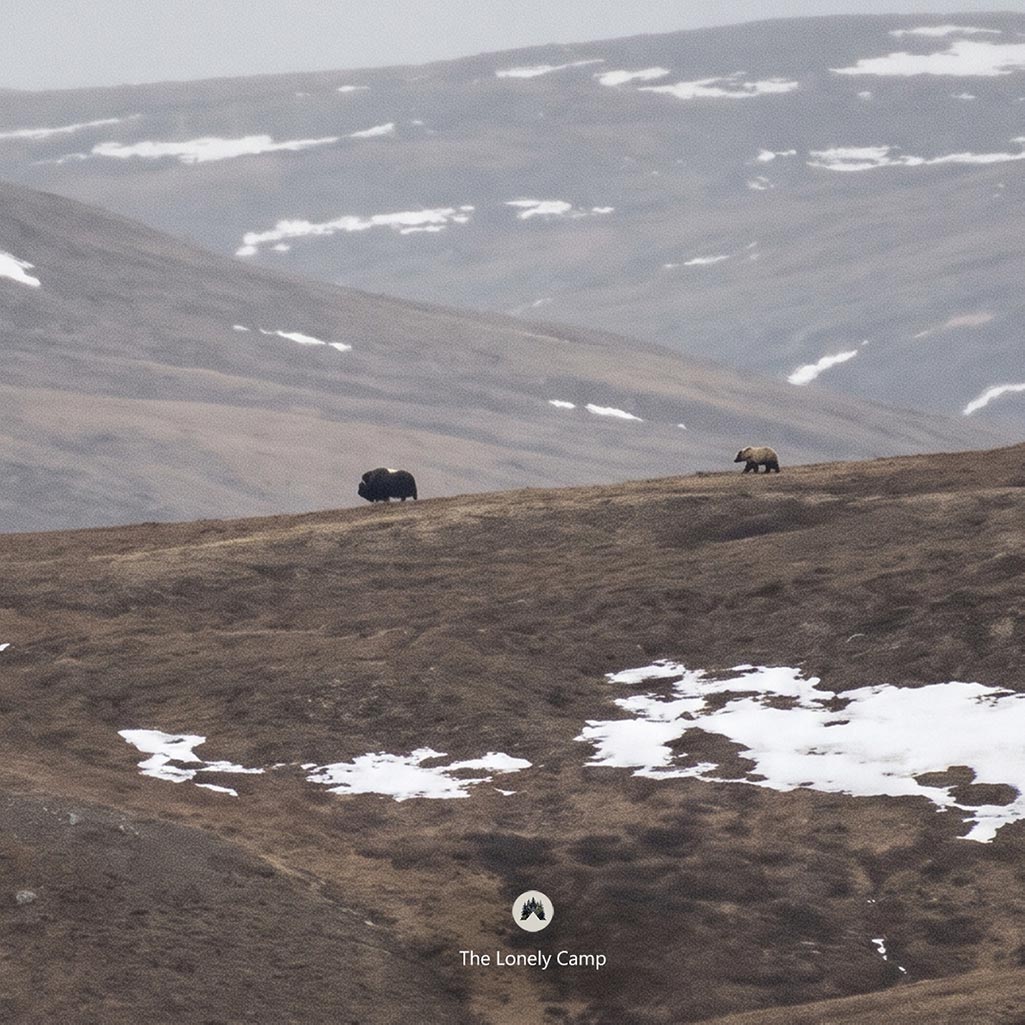
In 2012, Alaska wildlife managers tried to save an Arctic muskox herd without launching a broad war on predators. Instead of clearing…
A female grizzly bear carried a two-hundred-pound dead heifer in her forepaws for three miles across rocky mountain terrain without stopping to…
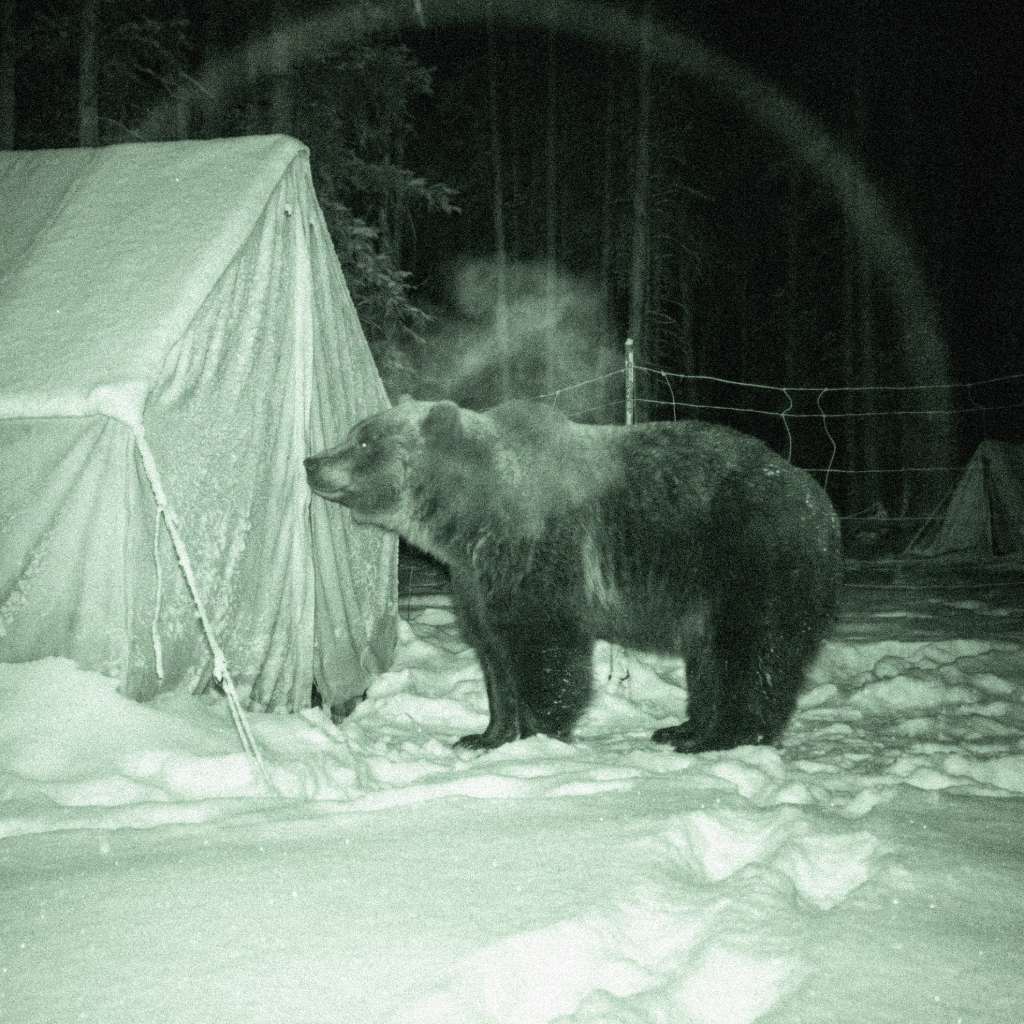
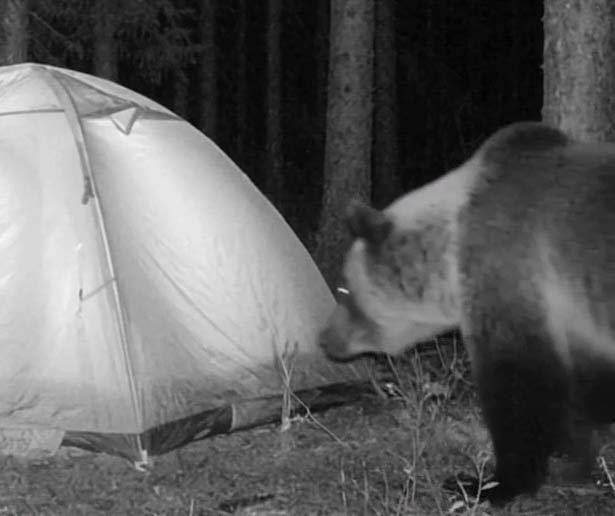
A grizzly bear walked through the center of a backcountry hunting camp in the middle of the night, stood next to a…
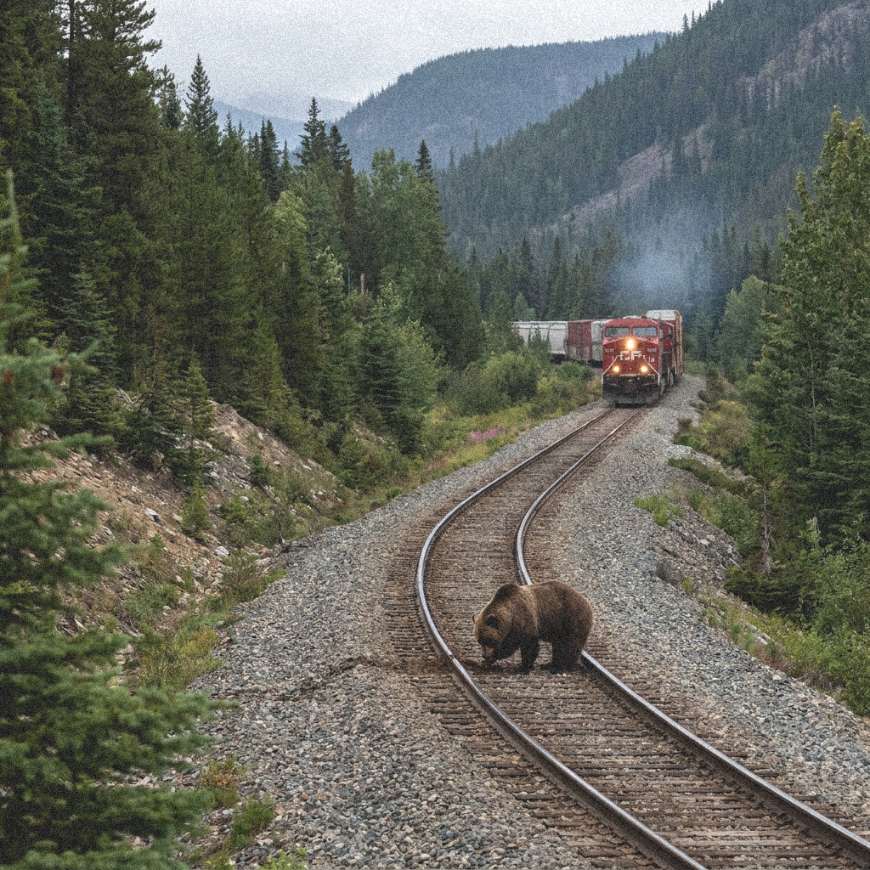
In Banff National Park, wildlife biologists monitor the resident grizzly bear population using GPS collars. The tracking data usually maps standard foraging…
The standard advice for camping in bear country is well known. Pack out your food. Hang your bear canister. Keep nothing with a scent inside the tent. Most experienced campers follow it. What the advice doesn’t fully prepare you for is the gap between doing everything right and being genuinely safe.
A grizzly bear that stops dead on a trail, looks in one direction, and reverses course has made a decision. For an animal that has almost no natural predators and knows it, that decision is worth examining.