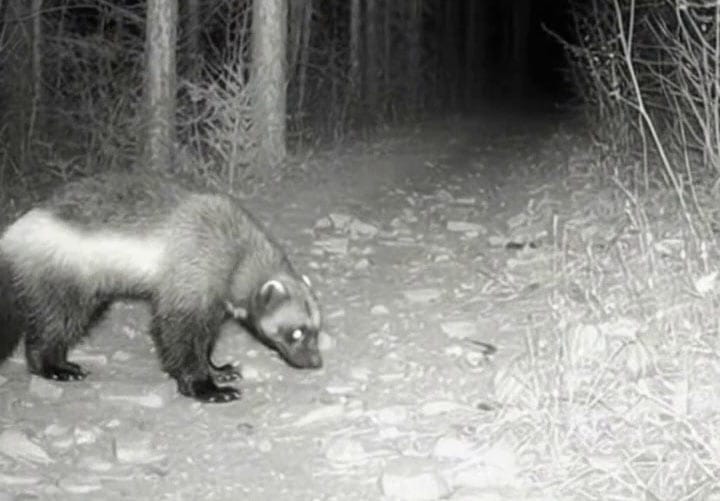
The Lynx Who Walked Off the Map: How a Yukon Cat Named Max Ended Up in an Alaskan Chicken Coop
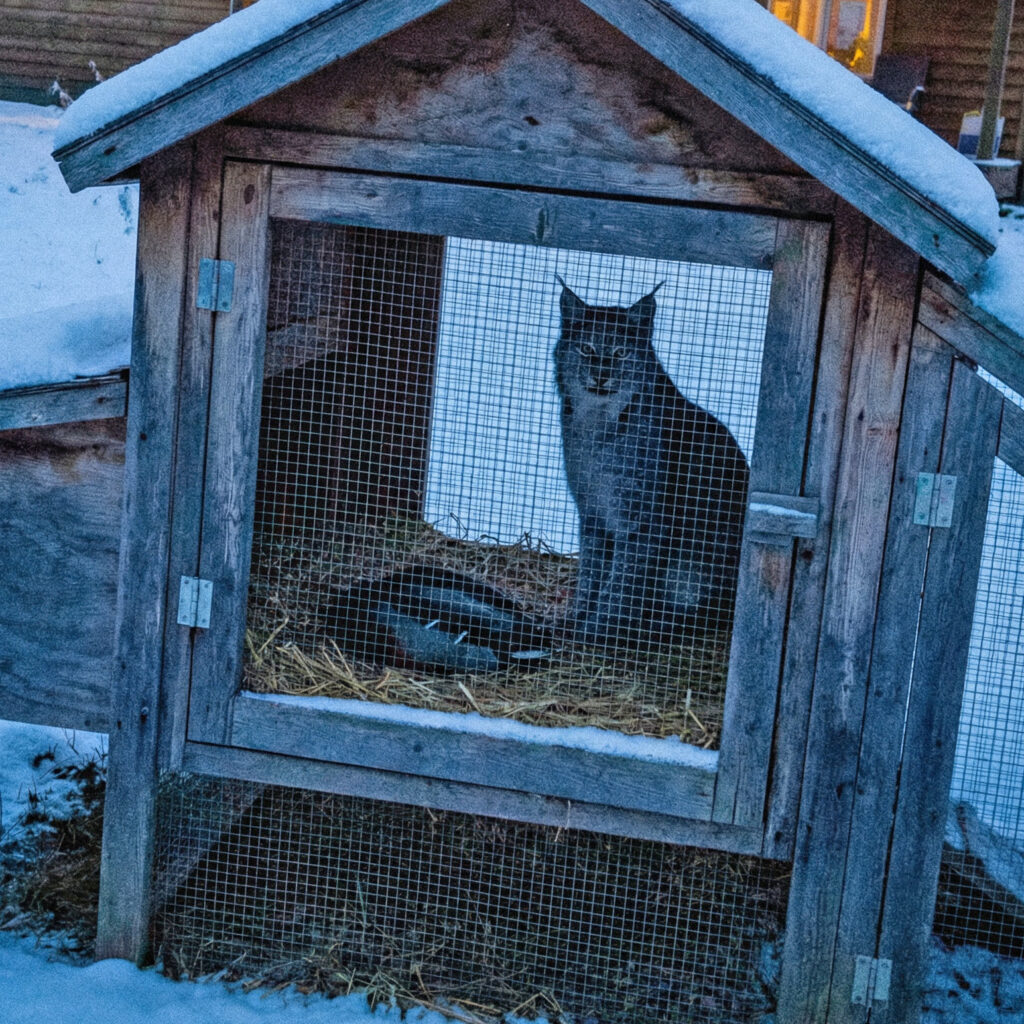
On an October evening in 2016, a woman named Linda Lohse was looking out of her kitchen window at her property in…
Wildlife · Trail Cam · Dark of Night
Trail cam footage, campsite encounters, and the wildlife you hope never finds you.
Latest Encounters
On an October evening in 2016, a woman named Linda Lohse was looking out of her kitchen window at her property in…
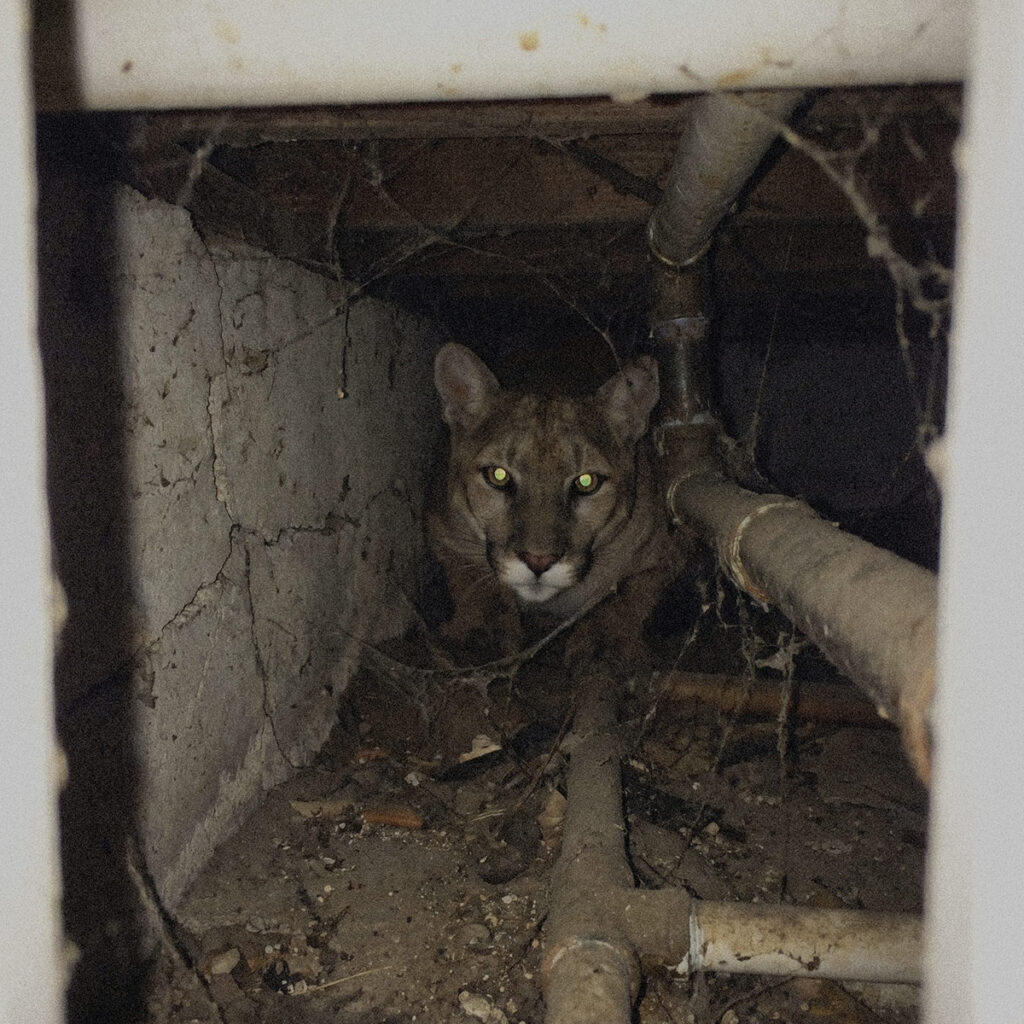
Why the mountain lion under the Los Feliz house made headlines around the world, and what his life actually looked like before…
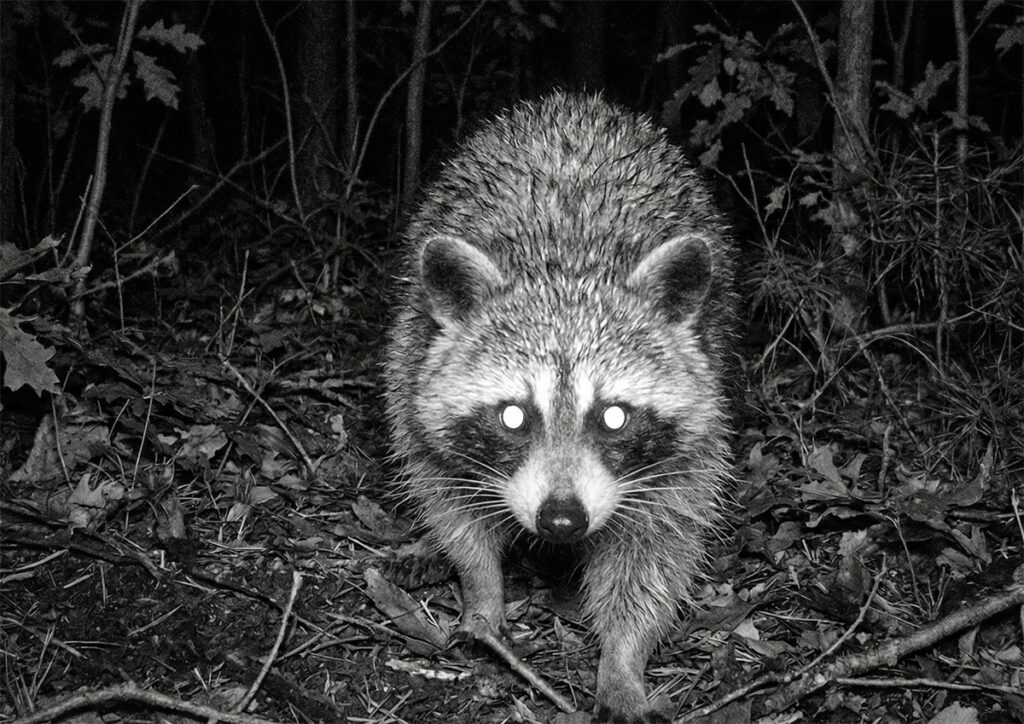
Scientists have been quietly piecing together a very different picture of raccoons, and the animal that emerges from the latest research is stranger, smarter, and more unsettling than anything you had in mind.
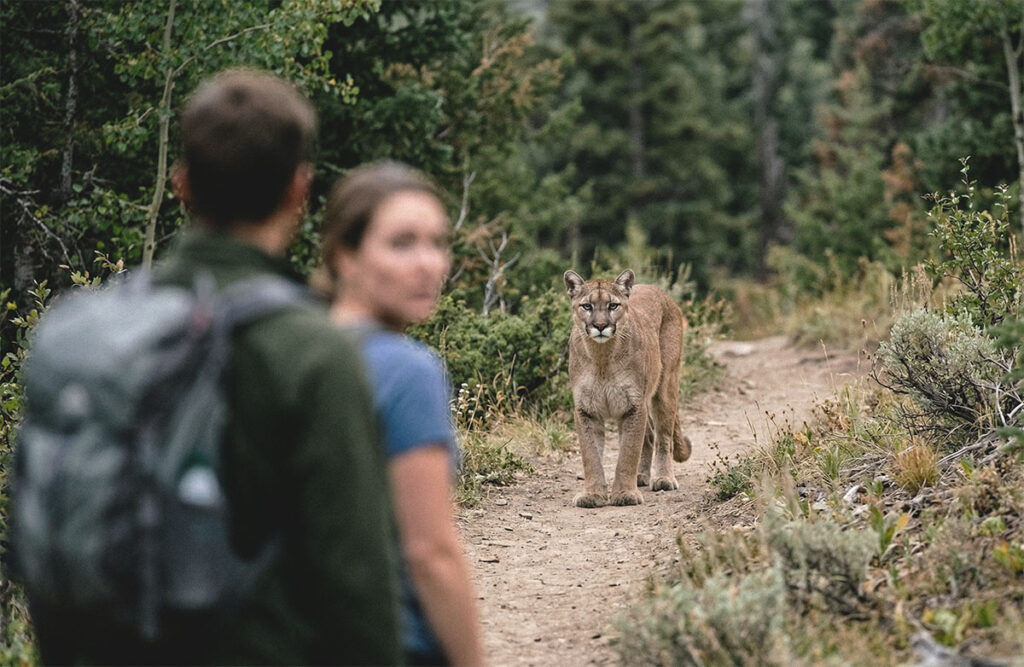
Most people who face a mountain lion make at least one critical mistake. In 2024 alone, those mistakes turned deadly in California and nearly fatal in Washington. Here is what the research, ranger briefings, and documented encounters actually show.
Coyotes and domestic cats now share the same neighborhoods across virtually every part of North America. What happens when these two animals occupy the same space at night is documented, studied, and consistently underreported to the people it affects most.
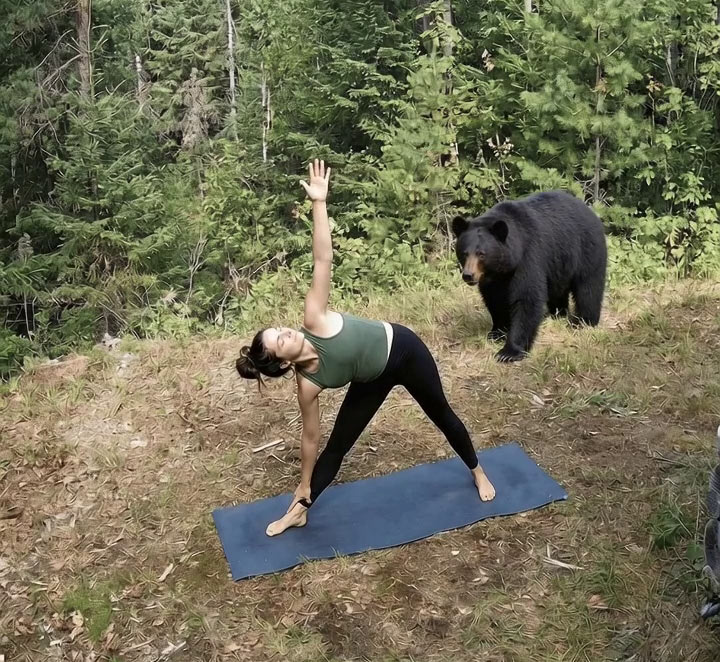
A black bear watching a person from a short distance, apparently curious and unhurried, is not a rare event in North America. It happens in backyards, on porches, along driveways, and increasingly in suburban neighborhoods that didn’t consider themselves bear country a decade ago.
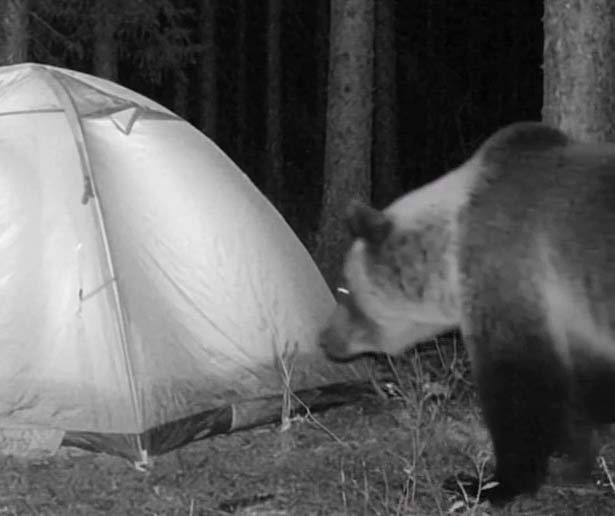
The standard advice for camping in bear country is well known. Pack out your food. Hang your bear canister. Keep nothing with a scent inside the tent. Most experienced campers follow it. What the advice doesn’t fully prepare you for is the gap between doing everything right and being genuinely safe.
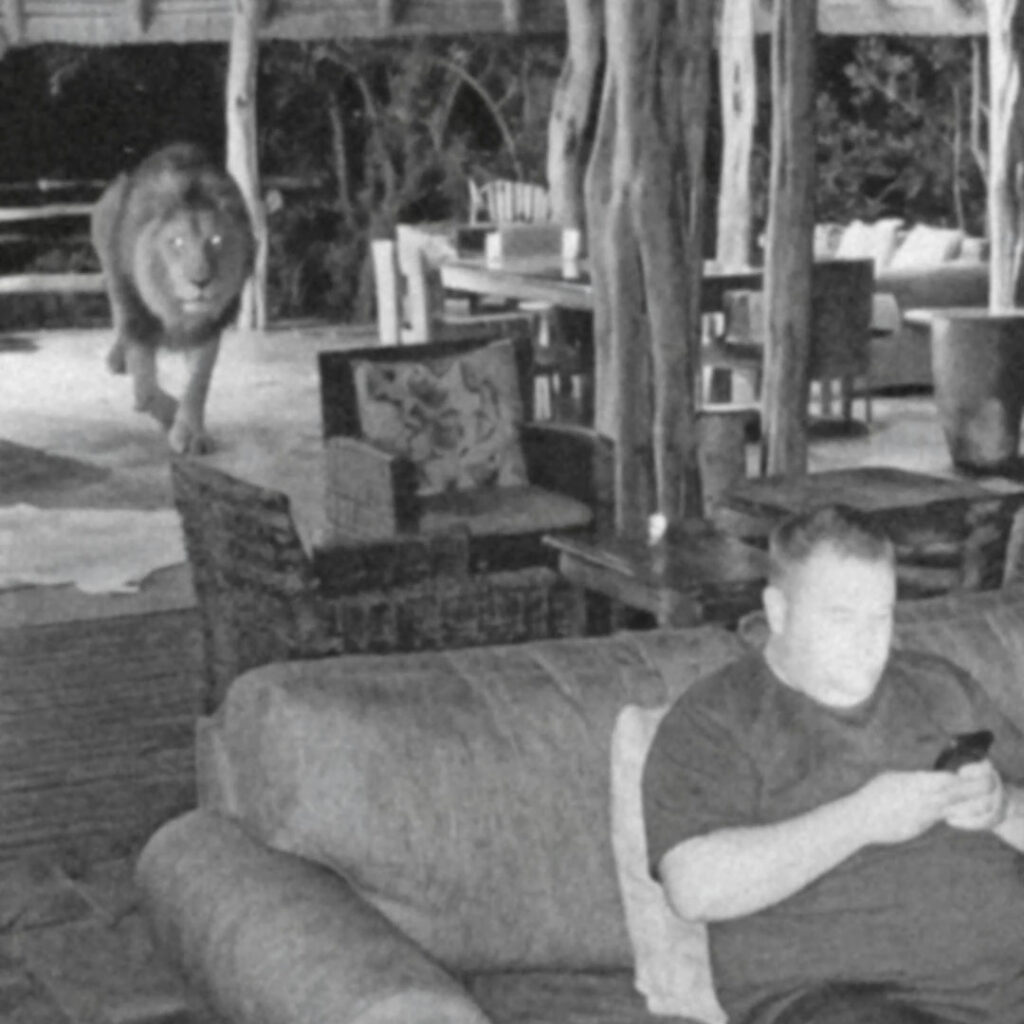
Bush camps and safari lodges across sub-Saharan Africa operate on an understanding most guests don’t fully absorb before arrival. The fence, if there is one, is psychological more than physical. The wildlife does not recognize it.
A grizzly bear that stops dead on a trail, looks in one direction, and reverses course has made a decision. For an animal that has almost no natural predators and knows it, that decision is worth examining.
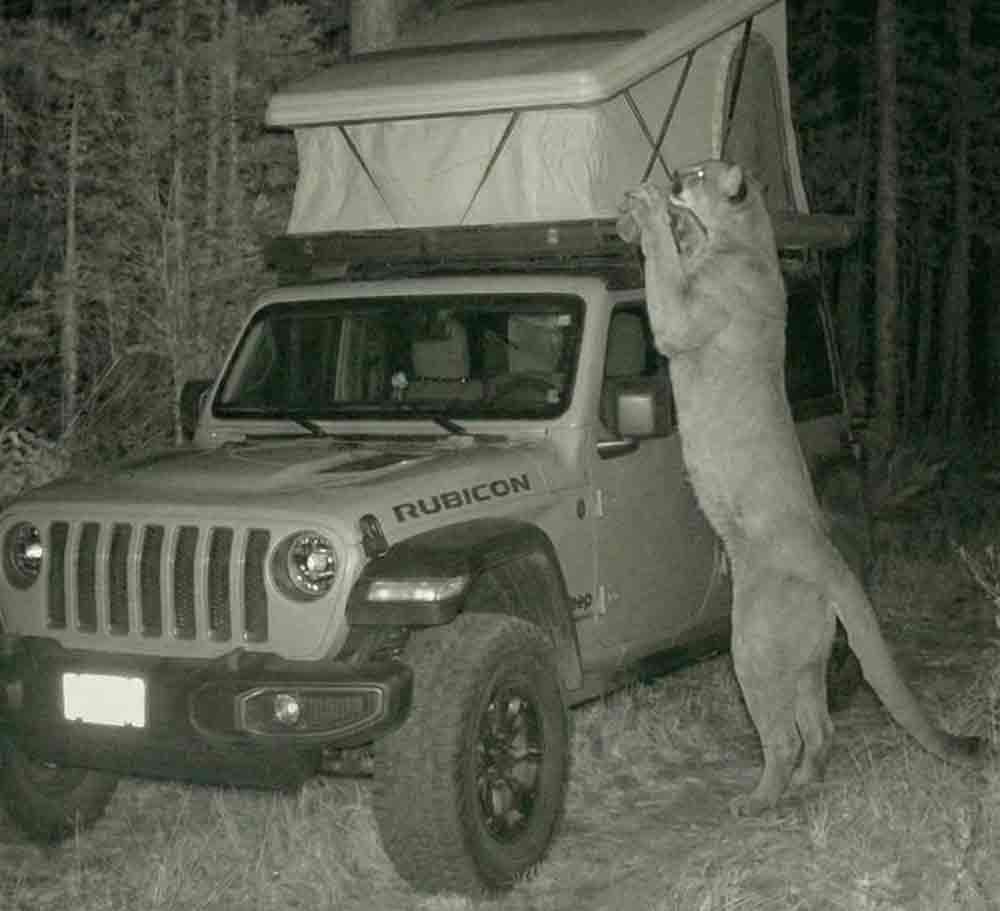
A mountain lion approaching a vehicle at night and standing up against the side is not a random event. It is a deliberate investigation. The more useful question is what drew the lion to the vehicle in the first place, and whether being in a rooftop tent changes anything.
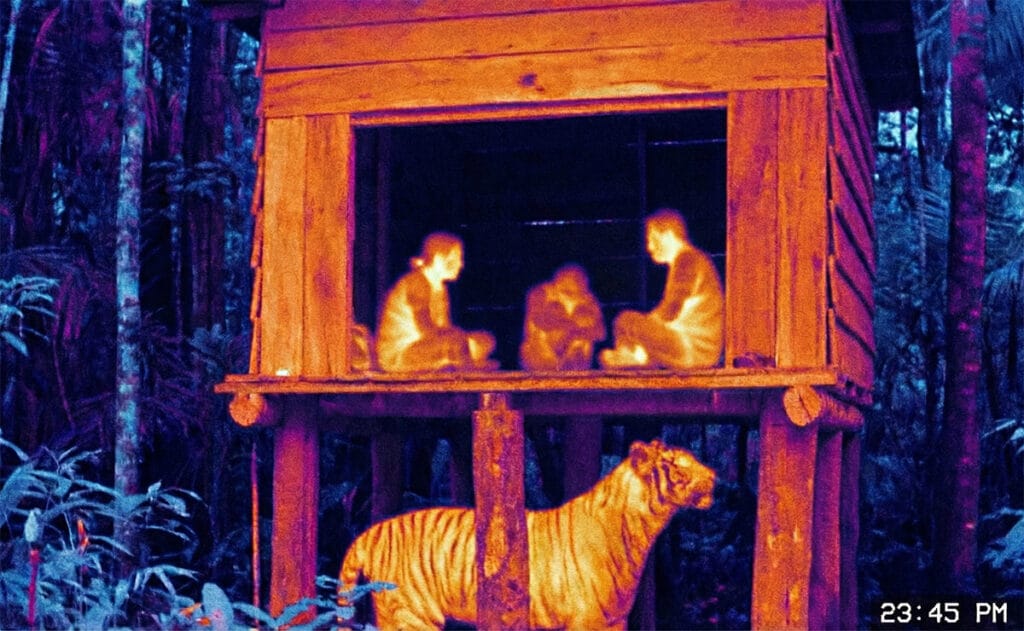
A young guide who grew up near the edge of tiger forest in Sumatra said he had never once seen a Sumatran tiger in the wild. His father, who spent his entire life in that forest, had seen one. Once. Fewer than 400 left on earth, and the people who live closest to them almost never see them.
You can watch the footage and feel two things simultaneously. The first is obvious. The second takes a moment longer, a quiet suspicion that this probably doesn’t happen. That mountain lions don’t actually approach sleeping humans in their sleeping bags, sniff them, and walk away. Your skepticism is reasonable.