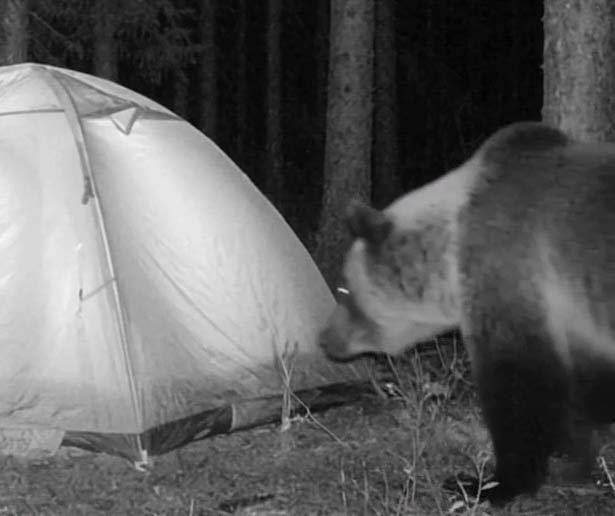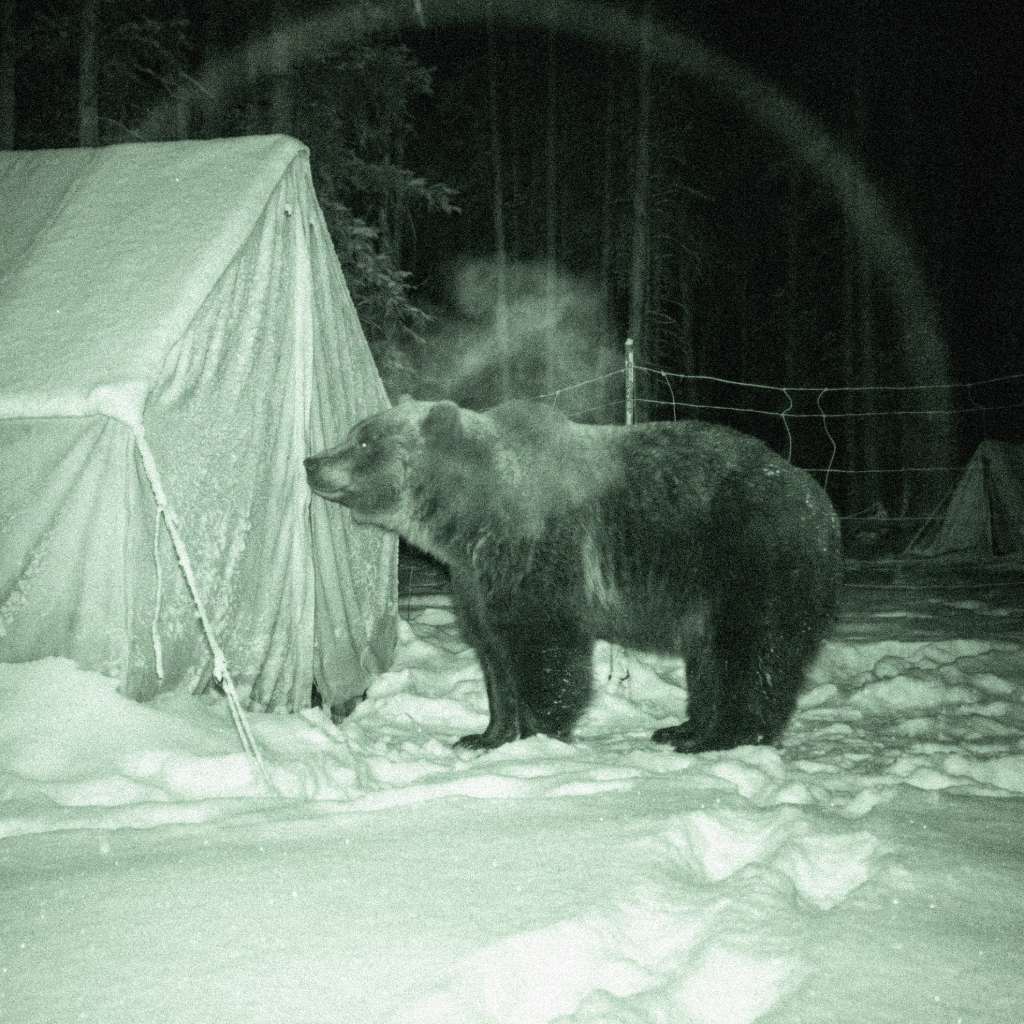
Grizzly Bear Walks Through Wyoming Hunting Camp at Night
A grizzly bear walked through the center of a backcountry hunting camp in the middle of the night, stood next to a…
19 stories · Filter these stories
A grizzly bear walked through the center of a backcountry hunting camp in the middle of the night, stood next to a…
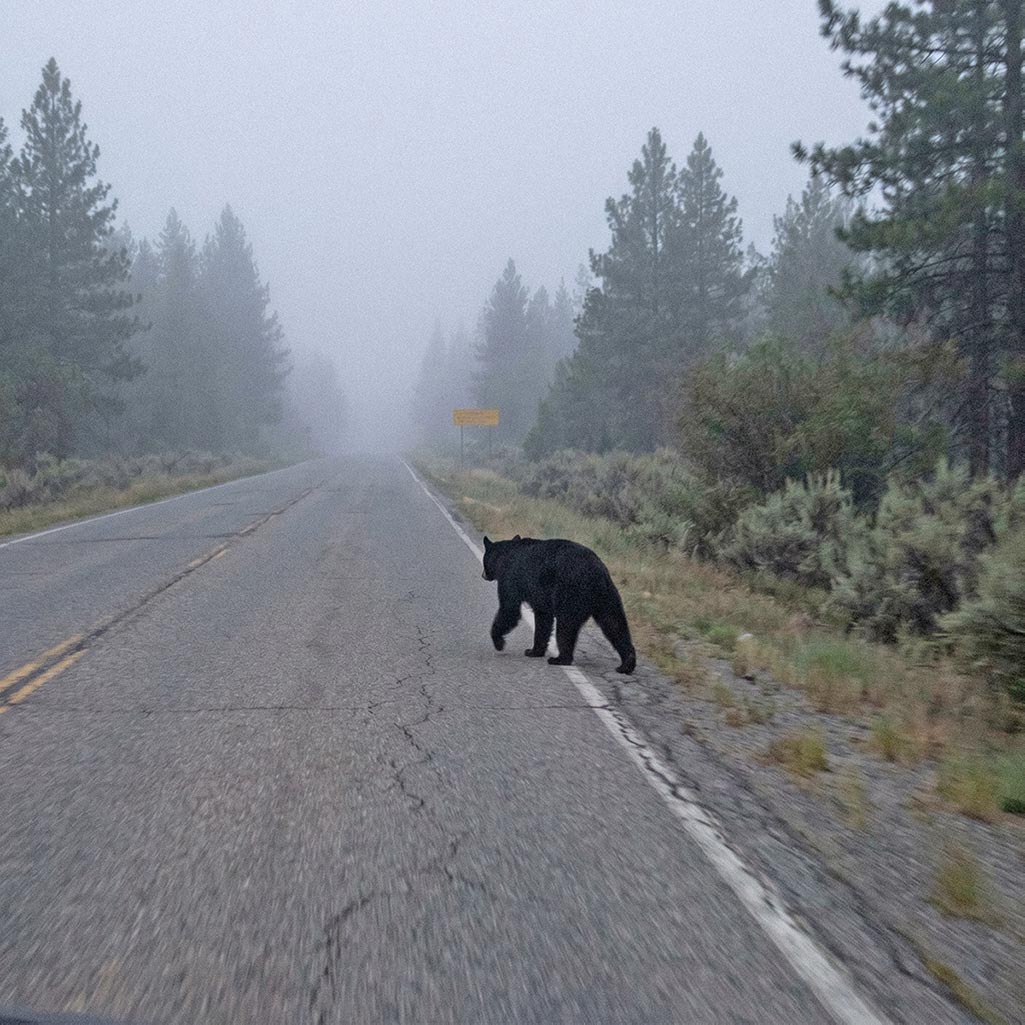
A five-hundred-pound black bear crossed four interstate highways in the dark to get back to the exact ridge where wildlife officers had…
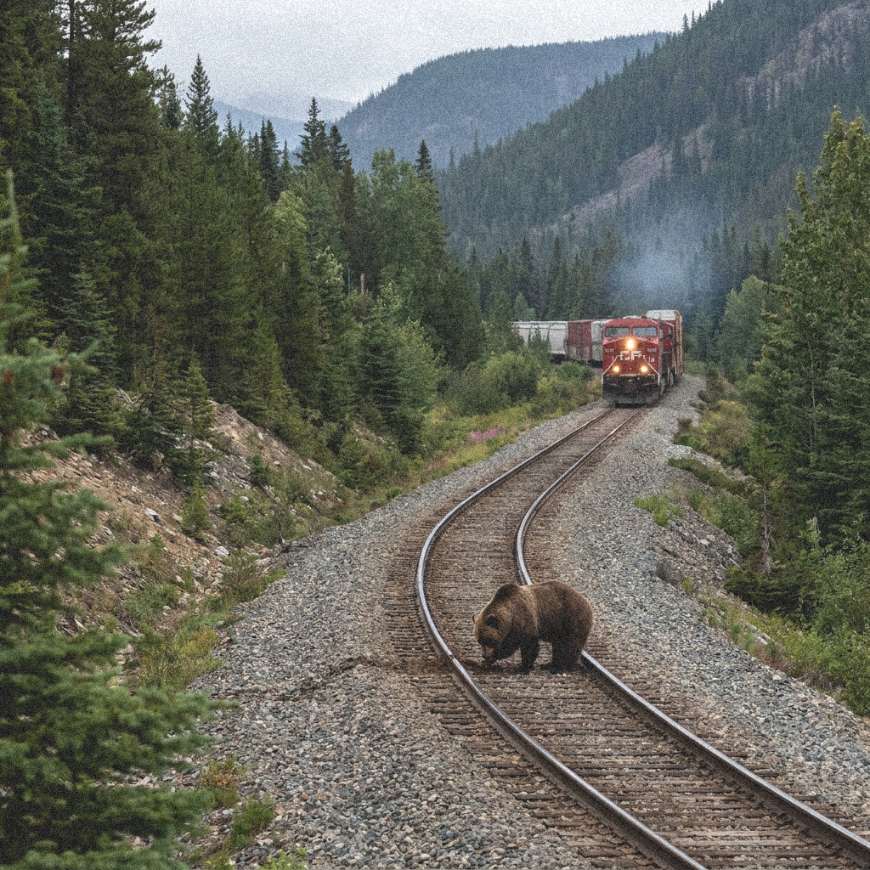
In Banff National Park, wildlife biologists monitor the resident grizzly bear population using GPS collars. The tracking data usually maps standard foraging…
When a young male black bear reaches maturity, his biology dictates a hard rule: he has to leave his mother's home range….
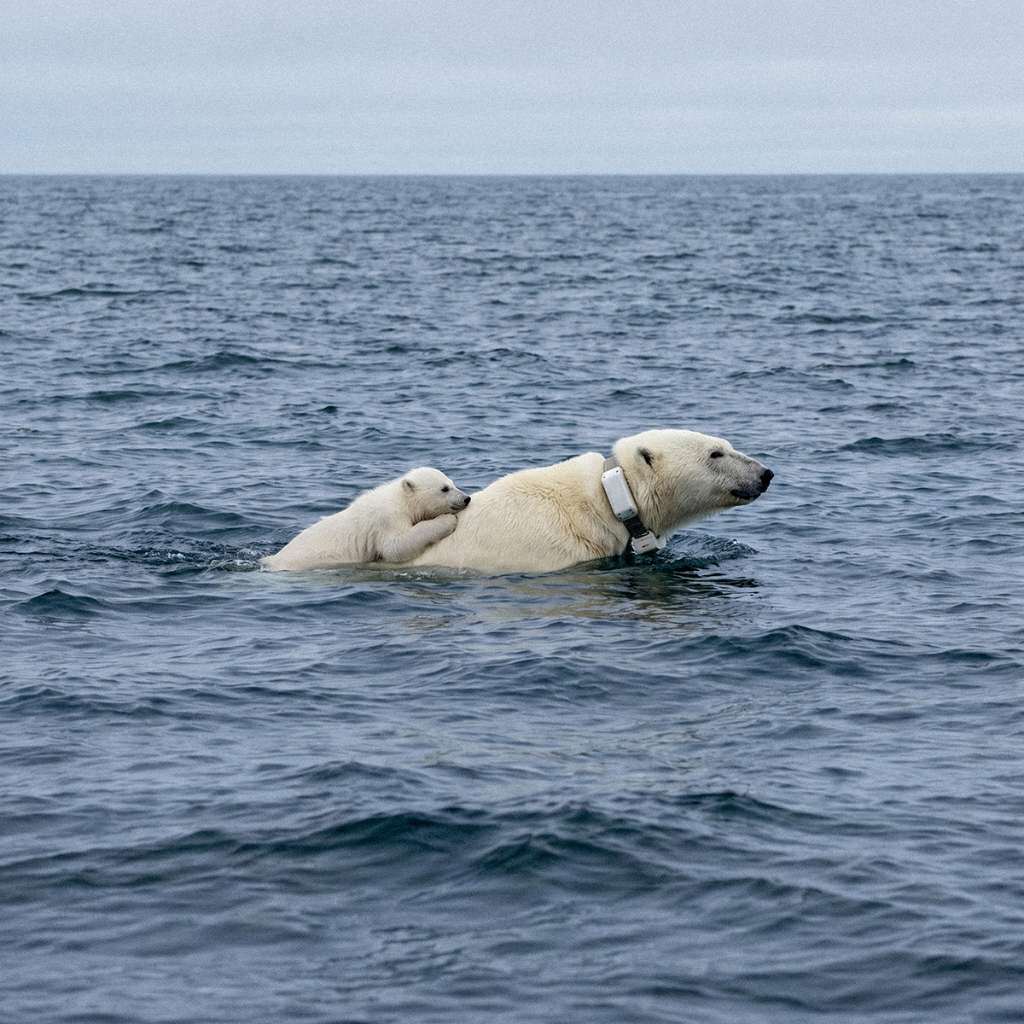
In late August of 2008, a female polar bear wearing a satellite tracking collar stood on the northern coast of Alaska. In…
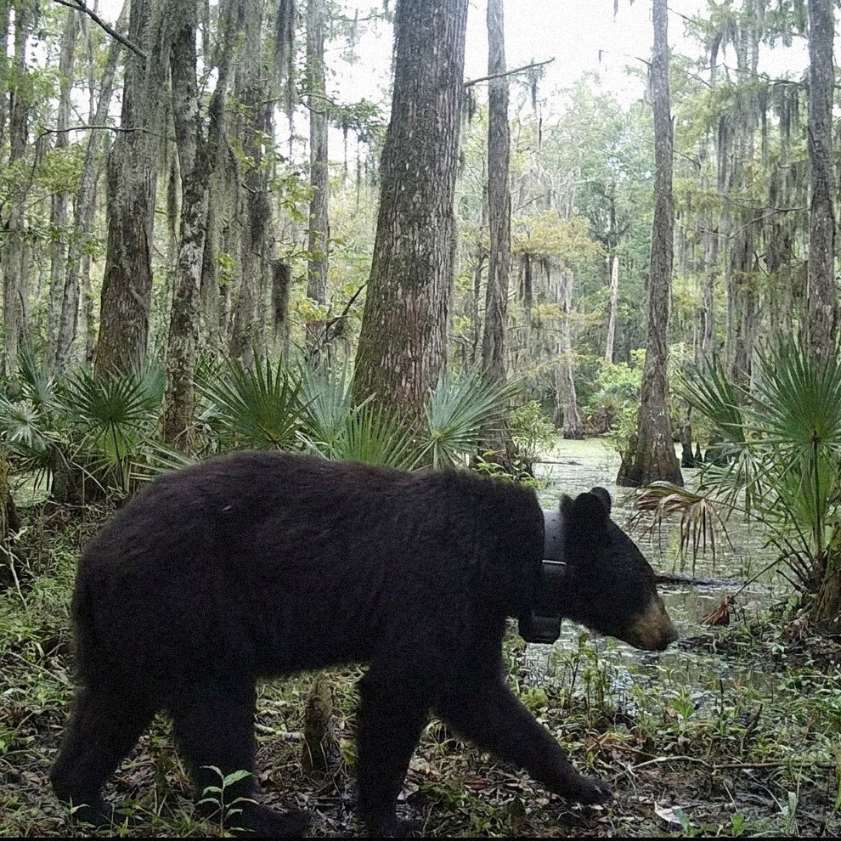
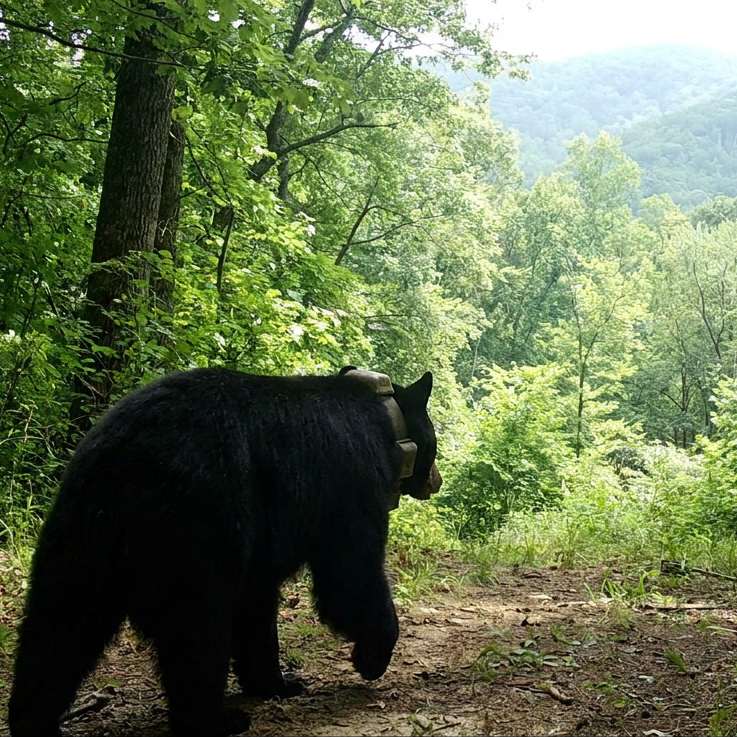
In July 2022, wildlife biologists at Great Smoky Mountains National Park trapped a five-year-old female black bear at a backcountry campsite. She…
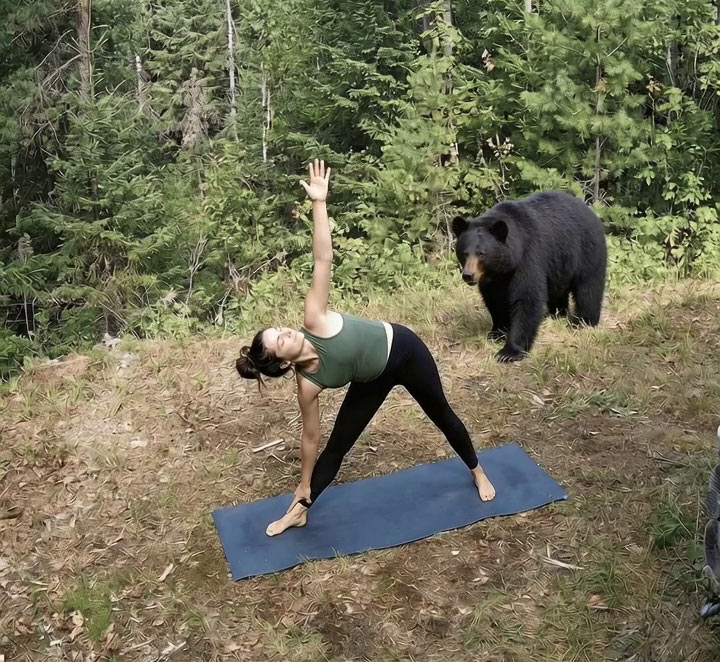
A black bear watching a person from a short distance, apparently curious and unhurried, is not a rare event in North America. It happens in backyards, on porches, along driveways, and increasingly in suburban neighborhoods that didn’t consider themselves bear country a decade ago.
The standard advice for camping in bear country is well known. Pack out your food. Hang your bear canister. Keep nothing with a scent inside the tent. Most experienced campers follow it. What the advice doesn’t fully prepare you for is the gap between doing everything right and being genuinely safe.
A grizzly bear that stops dead on a trail, looks in one direction, and reverses course has made a decision. For an animal that has almost no natural predators and knows it, that decision is worth examining.